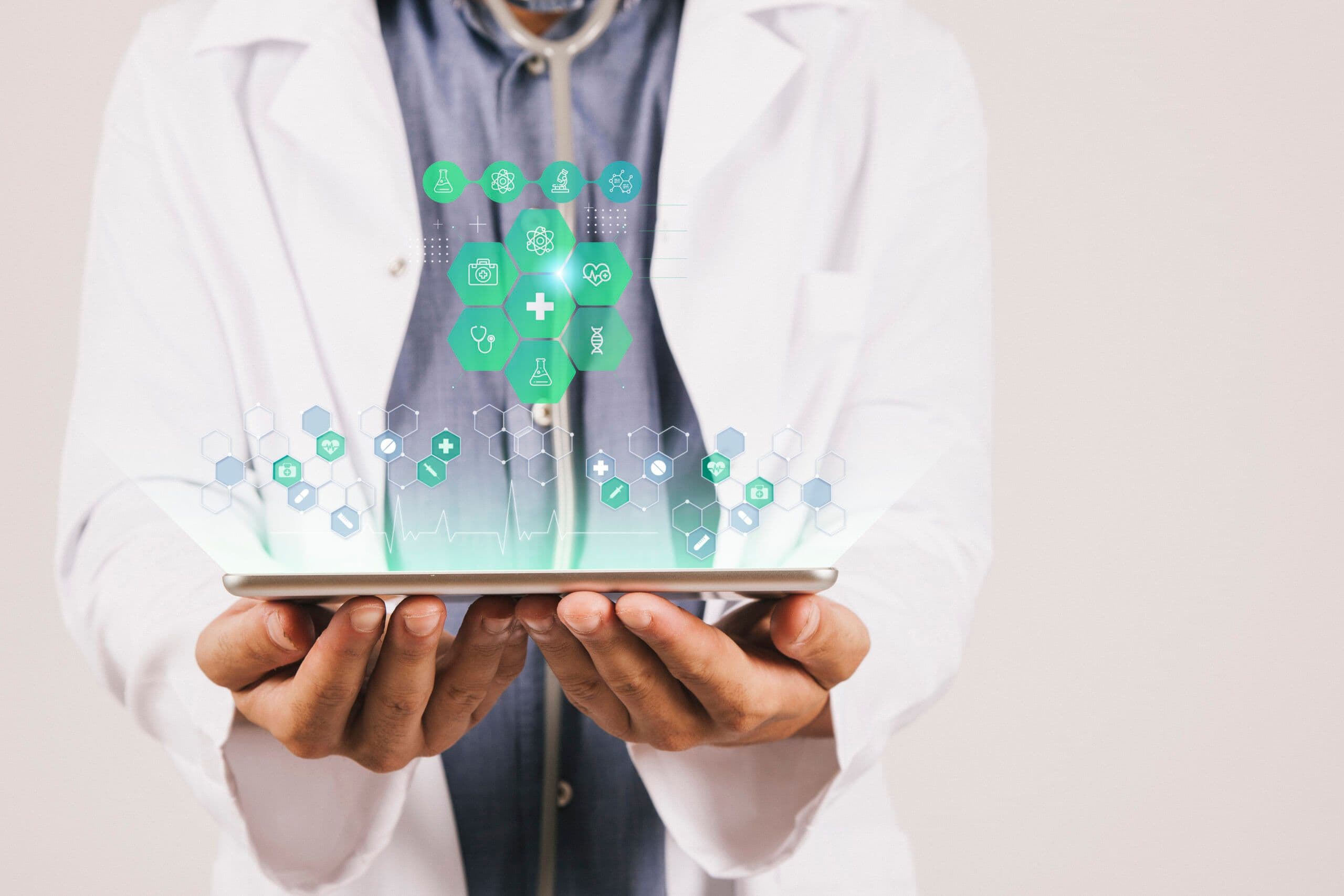
Transforming Healthcare Through the Internet of Things (IoT)
Introduction The Internet of Things (IoT) has emerged as a game changer in a variety of industries, including healthcare. IoT has the potential to revolutionize the way medical services are delivered by connecting devices, sensors, and healthcare systems, improving patient care, increasing operational efficiency, and enabling preventive measures. Before we continue let’s define what the Internet of Things is. The Internet of Things, or IoT, is a system of interconnected computing devices, mechanical and digital machines, objects, animals, or people with unique identifiers (UIDs) and the ability to transfer data without requiring human-to-human or human-to-computer interaction. A thing in the Internet of Things can be a person implanted with a heart monitor, a farm animal implanted with a biochip transponder, a car with built-in sensors to alert the driver when tire pressure is low, or any other natural or man-made object that can be assigned an Internet Protocol (IP) address and can transfer data over a network. In this article, we will discuss the intersection of IoT and healthcare, along with the transformative impact and benefits it brings to the industry.
- Improving Patient Monitoring and Care IoT-enabled devices and wearables: These have created new opportunities for real-time patient monitoring. These devices can collect vital signs, track movement, and measure biometrics in real-time and relay this information to healthcare professionals. This enables physicians to remotely monitor patients, analyze trends, and detect anomalies immediately. As a result, healthcare providers can intervene more proactively, providing timely interventions and personalized care, resulting in better patient outcomes.
- Improved Medication Management and Treatment Adherence
Maintaining patient adherence to treatment plans and medication schedules is one of the most difficult challenges in healthcare. IoT devices can help with this problem by sending reminders and alerts to patients' smartphones or wearables. IoT-enabled medication dispensers can also monitor usage patterns and provide feedback to both patients and healthcare providers. IoT prevents complications and reduces hospital readmissions by encouraging medication adherence.
- Effective Resource Management and Optimization of Operations
The Internet of Things (IoT) plays a critical role in optimizing healthcare operations and resource management. Smart hospital systems can monitor and manage medical equipment to ensure timely maintenance, reduce downtime, and improve operational efficiency. Inventory management systems powered by IoT can automatically track and manage supplies, preventing stockouts and reducing waste. Furthermore, IoT-powered asset tracking enables healthcare organizations to quickly locate medical equipment, saving time and improving patient care.
- Remote Telehealth and Telemedicine Services
IoT enables remote patient consultations, virtual diagnoses, and telemonitoring, facilitating the widespread adoption of telehealth and telemedicine services. Patients can transmit vital data to healthcare professionals using IoT-enabled devices, eliminating the need for in-person visits for routine check-ups. This is especially useful for people with limited mobility, those living in rural areas, and patients with chronic conditions who require regular monitoring. Telemedicine not only improves healthcare access but also reduces the burden on hospitals and clinics.
- Preventive Care and Early Intervention
Individuals are being empowered by IoT-enabled devices to take charge of their own health and well-being through preventive care measures. Fitness trackers, smart scales, and health monitoring apps that are connected provide users with real-time insights into their physical activity, sleep patterns, and overall health. Individuals can make informed decisions about their lifestyle choices and proactively manage their health by analyzing this data. Furthermore, healthcare providers can identify potential health risks and intervene early to prevent chronic conditions from developing. Conclusion In conclusion, the Internet of Things (IoT) has the potential to transform healthcare in ways we could only dream of a few years ago. IoT offers tremendous opportunities for improving patient outcomes, increasing efficiency, and lowering costs in the healthcare industry by seamlessly connecting devices, systems, and people. Here at Telnet Nigeria Limited we offer this service, imagine a world where you can deliver optimum satisfaction to your patients. You can reach us at contact@telnetng.com or call 016340199.