Future-Proofing Your Business: 5 Technology Investments That Matter
Technology is no longer simply a support function for businesses. It has become central to how organizations operate, communicate, serve customers, manage information, and compete.
As businesses navigate an increasingly digital and connected environment, investing in technology is no longer just about keeping up with current trends. It is about building an organization that can adapt to change, withstand disruptions, improve efficiency, and seize emerging opportunities.
However, future-proofing a business does not mean investing in every new technology that enters the market. The goal is to identify solutions that address genuine business needs while creating a strong foundation for long-term growth.
Here are five technology investments businesses should consider when preparing for the future.
1. Reliable IT Infrastructure and Connectivity
Every digital business depends on a reliable technology infrastructure.
From internet connectivity and network infrastructure to servers, communication systems, and workplace devices, these components form the foundation upon which everyday business activities depend.
Poor connectivity or outdated infrastructure can result in downtime, slow communication, reduced productivity, and frustrated employees and customers. As businesses become increasingly dependent on cloud applications, digital communication, remote collaboration, and real-time data, the importance of reliable infrastructure continues to grow.
Investing in scalable network infrastructure and dependable connectivity can help businesses maintain consistent operations while providing the capacity needed to support future growth.
The key is to build infrastructure that is not only suitable for today's requirements but can also adapt as the organization expands.
2. Cybersecurity and Data Protection
As businesses become more digital, the importance of protecting digital assets increases.
Organizations hold valuable information ranging from financial records and business documents to customer information and intellectual property. A security incident can therefore have consequences that extend beyond temporary disruption.
Effective cybersecurity should be viewed as an ongoing business investment rather than a one-time expense.
Businesses should consider technologies and practices such as network security, access control, endpoint protection, data backup, monitoring, and employee security awareness. A strong security strategy can help organizations reduce vulnerabilities and respond more effectively to potential threats.
Future-ready businesses recognize that growth and security must go hand in hand.
3. Cloud Solutions and Effective Data Management
Data has become one of the most valuable resources available to modern organizations. But collecting data is only part of the equation. Businesses also need reliable ways to store, access, manage, protect, and use that information.
Cloud technology can provide businesses with greater flexibility by enabling access to applications and information from different locations while supporting collaboration and scalability.
Effective data management can also help organizations make better use of the information they already possess. With the right systems in place, teams can collaborate more efficiently, access important information when needed, and reduce dependence on fragmented or outdated systems.
For growing organizations, scalable cloud and data solutions can provide the flexibility required to adapt as business needs change.
4. Smart and Intelligent Building Technology
The future of business technology extends beyond computers and software. The physical workplace is becoming increasingly connected and intelligent.
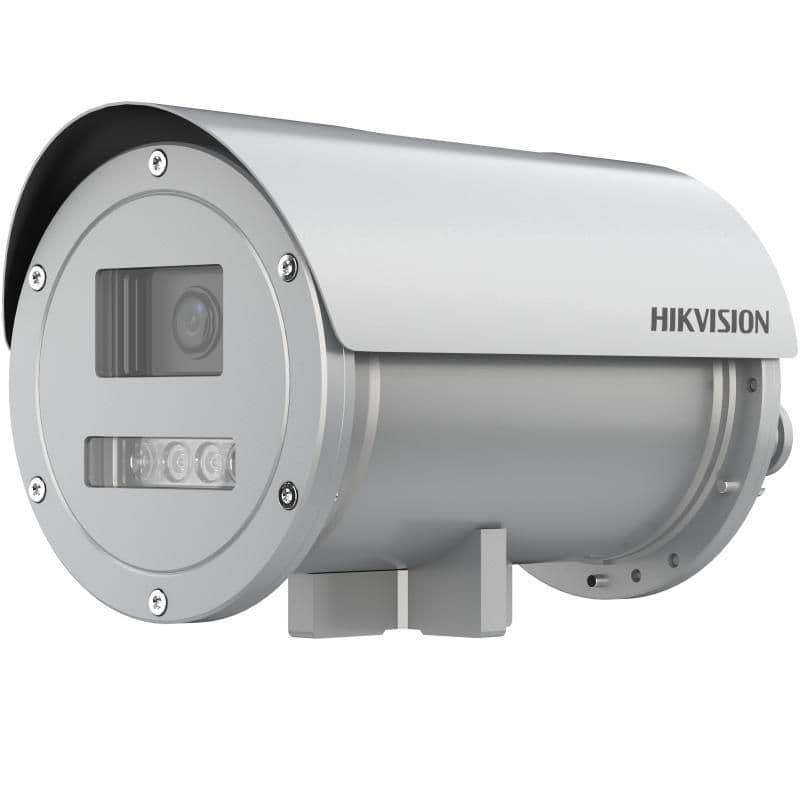
Intelligent building solutions can integrate technologies such as access control, surveillance, energy management, automation, environmental monitoring, and other building systems to create more efficient and responsive work environments.
Beyond convenience, smart building technology can contribute to improved security, operational efficiency, resource management, and employee experience.
For organizations investing in new offices, commercial facilities, or infrastructure upgrades, incorporating intelligent technology from the beginning can create a workplace that is better prepared for changing operational requirements.
5. Artificial Intelligence and Business Automation
Artificial intelligence and automation are transforming how organizations approach repetitive tasks, information processing, customer engagement, and decision-making.
Businesses do not necessarily need to implement AI simply because it is a major technology trend. Instead, organizations should identify areas where automation or intelligent systems can solve genuine business challenges.
Routine administrative processes, data analysis, customer support, document processing, and workflow management are examples of areas where automation can potentially improve efficiency.
The objective is not to replace people with technology. It is to give employees better tools so they can spend more time on activities that require creativity, judgement, problem-solving, and human interaction.
Building a Business That Is Ready for Tomorrow
Future-proofing is not about predicting exactly what technology will look like five or ten years from now. It is about creating a business environment that can adapt when change happens.
Reliable infrastructure provides the foundation. Cybersecurity protects the organization. Cloud and data solutions provide flexibility. Intelligent buildings improve the physical workplace. AI and automation create opportunities for greater efficiency.
Most importantly, these investments should work together as part of a broader technology strategy rather than existing as disconnected solutions.
The businesses that are prepared for the future will not necessarily be those that adopt the most technology. They will be those that understand their operational needs and make strategic technology investments that create lasting value.
Preparing for the Next Step
At Telnet, we understand that every organization has different technology requirements. From infrastructure and connectivity to cybersecurity, intelligent building solutions, and other technology needs, the right approach begins with understanding the business and its objectives.
By taking a strategic approach to technology investment today, organizations can build stronger foundations for tomorrow.
The future is constantly changing. Your technology infrastructure should be ready to change with it.